Back to Blogs
Reaching Out to Rural Teachers
After 25 years of investing in educators—totaling $39 million in fellowships—one thing has become clear: Our grant recipients are our strongest ambassadors. When a teacher encourages a fellow teacher to apply, it just hits differently.
This holds especially true for our Rural Teacher initiative*. Inspired by our recent work to expand awareness of Fund for Teachers among educators of color, two members of our Educator Advisory Council embarked on a parallel effort to reach teachers in rural communities. We reached out to Maya Brodkey and Ben Olsen to learn what motivated them to take on this mission:
*for our purposes, “rural” is defined as “located in sparsely populated areas, often in small towns or the countryside.”
Q: With all that is on your plate, why is this work of bringing FFT to peers in rural regions a priority?
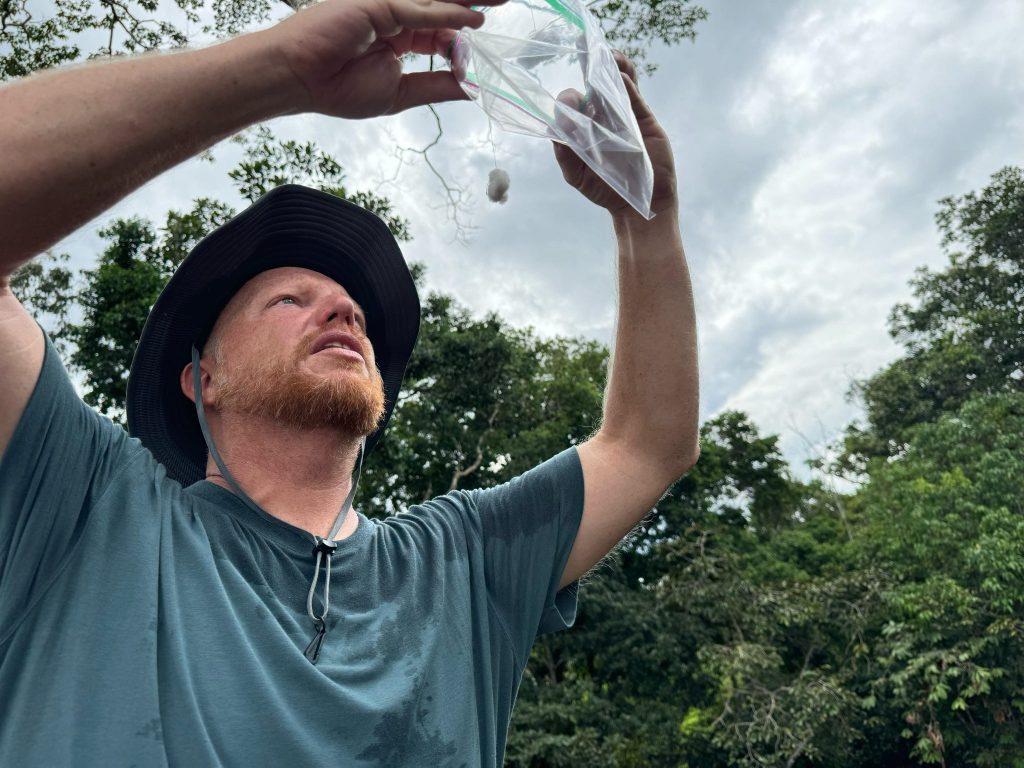
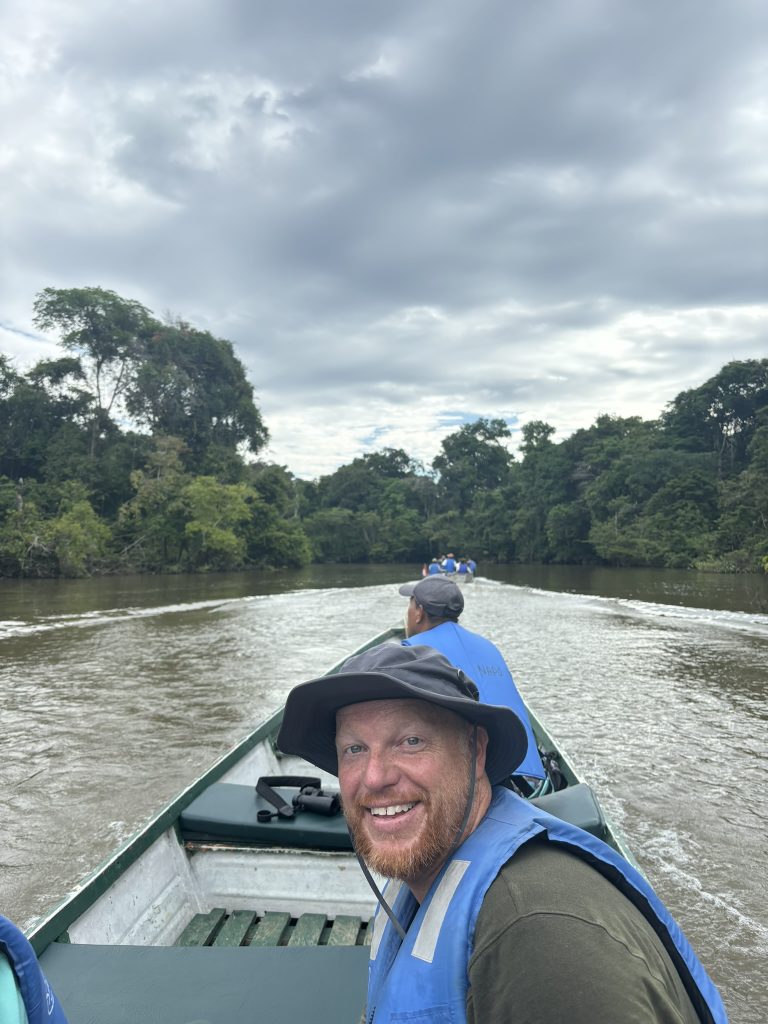
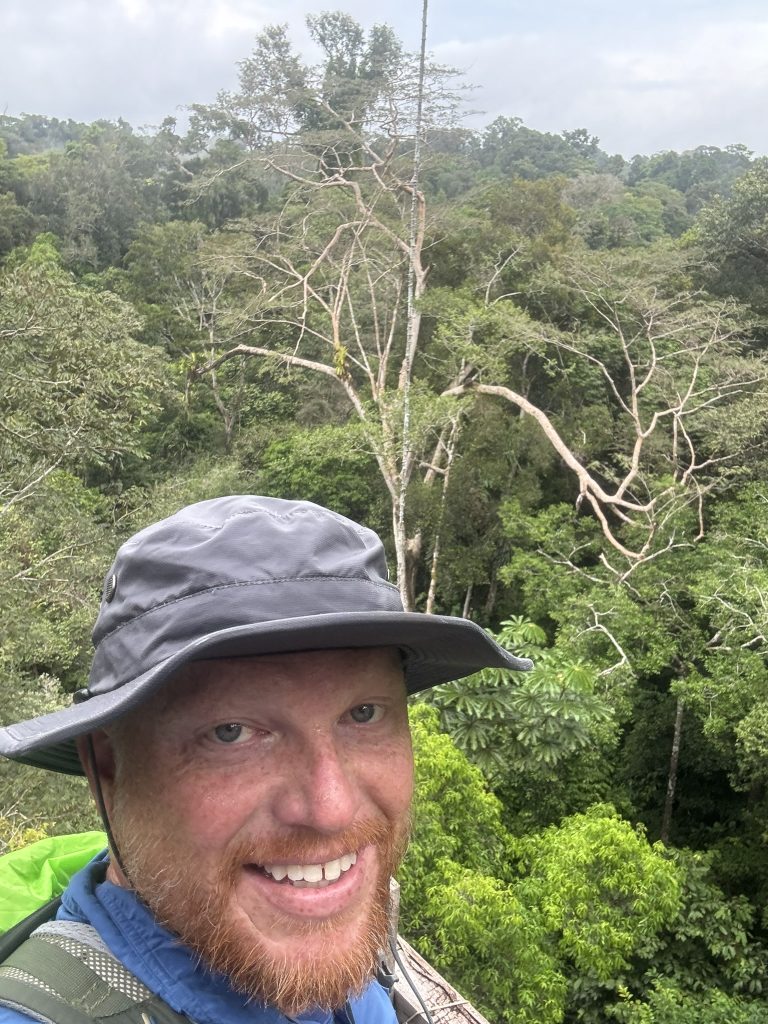
Ben: Rural areas and rural schools are close to my heart. I grew up attending rural schools – my graduating class had 56 seniors! Currently, though I teach in a larger district, my four children all attended, or graduated from a small, rural school district. I know as a kid, if I had had a teacher who had been to the Amazon to work with scientists, I would have been so amazed and inspired by that idea. I also would very much like the teachers that impact my own children to have the chance for amazing experiences that they can bring back to the classroom to add authenticity and awe to their students, my children included!
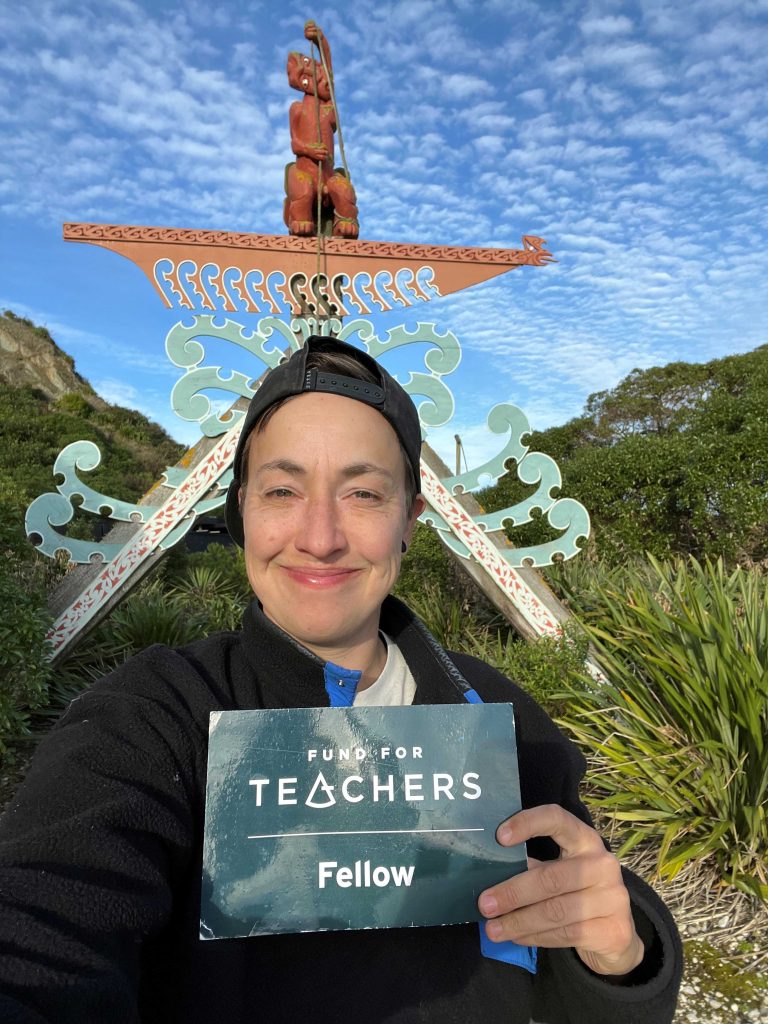
Maya: Teachers in rural areas generally have less access to professional development and learning opportunities. Teachers in urban/suburban areas have nearby universities, professional networks, and other schools. For rural teachers, we are often on our own! Fund for Teachers helps bridge this gap by allowing rural teachers to design their own highly personalized and relevant PD opportunities.
Q: What are the challenges you identified/experienced that are different from your peers in suburban/urban areas and why do you think FFT can meet those challenges?
Maya: Students in rural areas can often feel isolated and left out of larger conversations about global events and cultural trends. When I taught in a rural area, one of my biggest challenges was helping my students see themselves as part of/connected to the larger world. FFT helps rural teachers bring the larger world into their classroom, which (ideally) opens up further opportunities for their students.
Ben: Mainly, I’ve found that it’s all about awareness that a great opportunity like Fund for Teachers exists. With smaller staff and, sometimes, smaller budgets, the knowledge of high interest professional development may be lacking. Sometimes, students and teachers in smaller, rural districts may feel so far away from “the action” that they may not see how they can make a difference in the larger world. Teachers can take part in a FFT fellowship and help those students, and themselves, feel closer to the larger world.
Q: When leading previous and the upcoming workshop, is there a particular experience from your fellowship/its impact on which you lean when describing the value of FFT?
Ben: I lean on the amazing road that my fellowship put me onto. I designed my fellowship to provide me the chance to travel to the Amazon rainforest, a life-changing experience by itself, but also to work alongside researchers to better understand field techniques that I could bring back to my own students to simulate. I got that experience to be sure. But what I didn’t anticipate was how my fellowship would eventually lead me to leadership opportunities within the Morpho Institute’s programming by heading up their camera trap project outreach. I had to pinch myself this summer when I was getting emails from a Georgetown University researcher who was deep in the Amazon, sending me some of the latest camera trap recoveries. But here I am, a teacher in Iowa, who grew up in a rural setting, and I am able to participate in some really amazing things, all because of my FFT fellowship. That’s what I’d love for every teacher to experience, in whatever they find great interest.
Maya: My FFT experience really helped me rethink my approach to teaching. Though this wasn’t one of my stated goals, I came back from my fellowship very excited about bringing my students’ ideas and interests into my ELA classroom. Three years post-fellowship, my students are actively involved in panning units with me, and I’m a much happier and more engaged teacher.
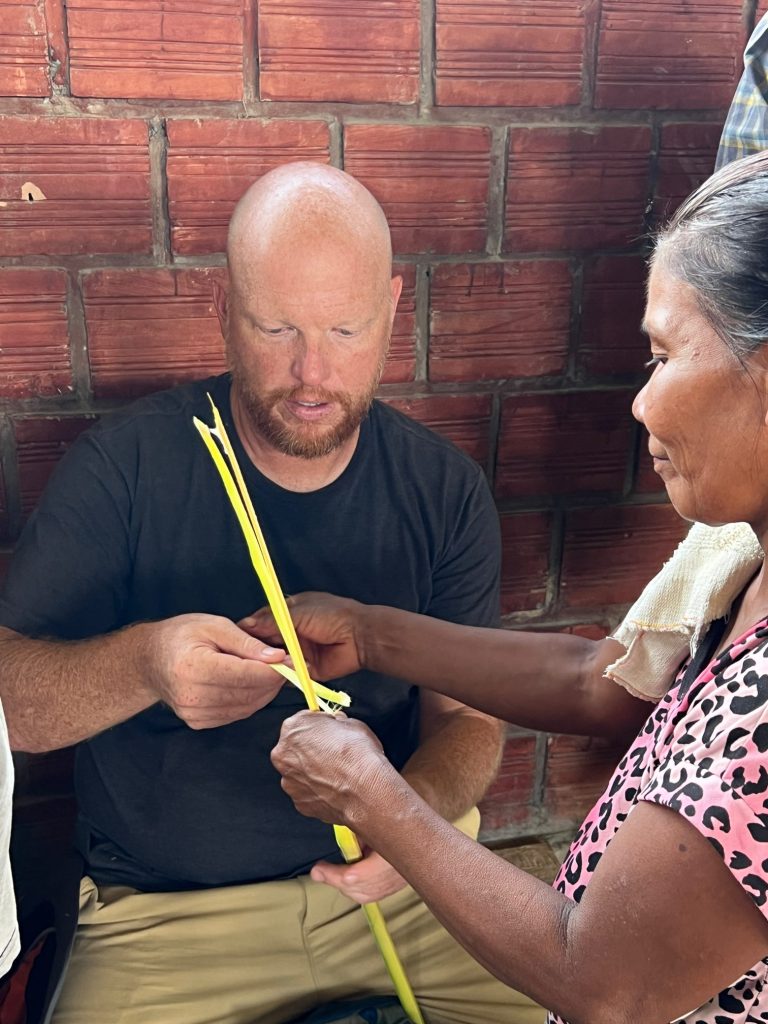
With a 2024 Fund for Teachers grant, Ben collaborated with scientists at the Amazon Research Initiative for Educators in the Peruvian Amazon to experience field research that fits will within the context of developing global perspectives, understanding biodiversity and ecological systems, and inquiry-based learning for gifted learners.
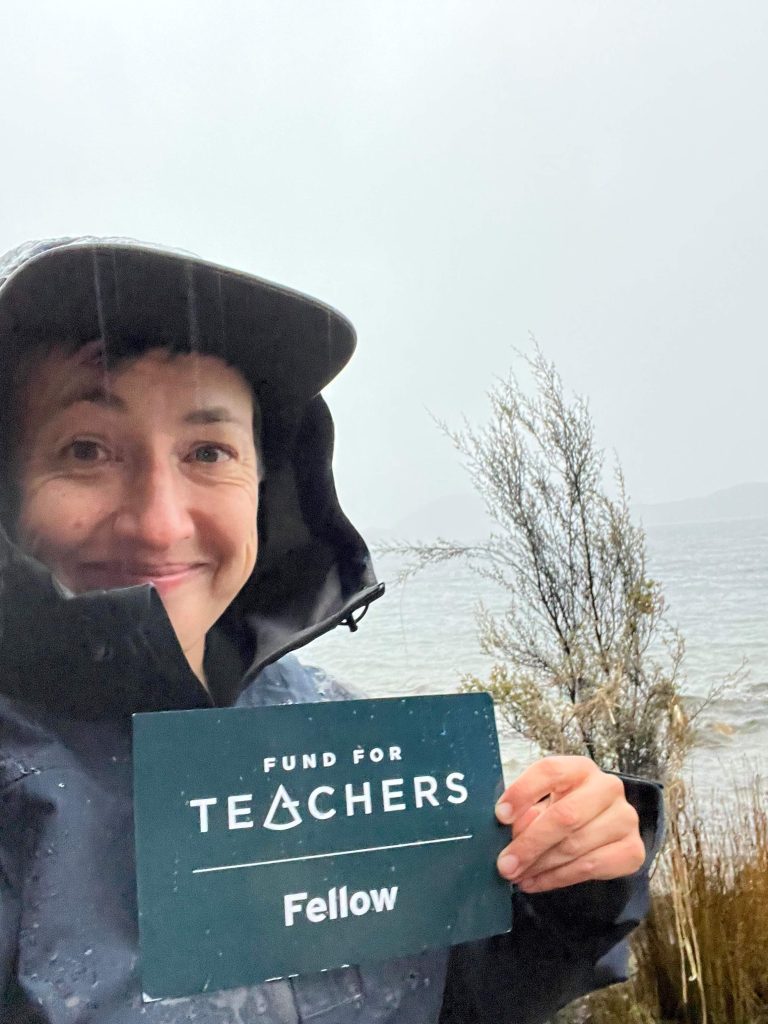
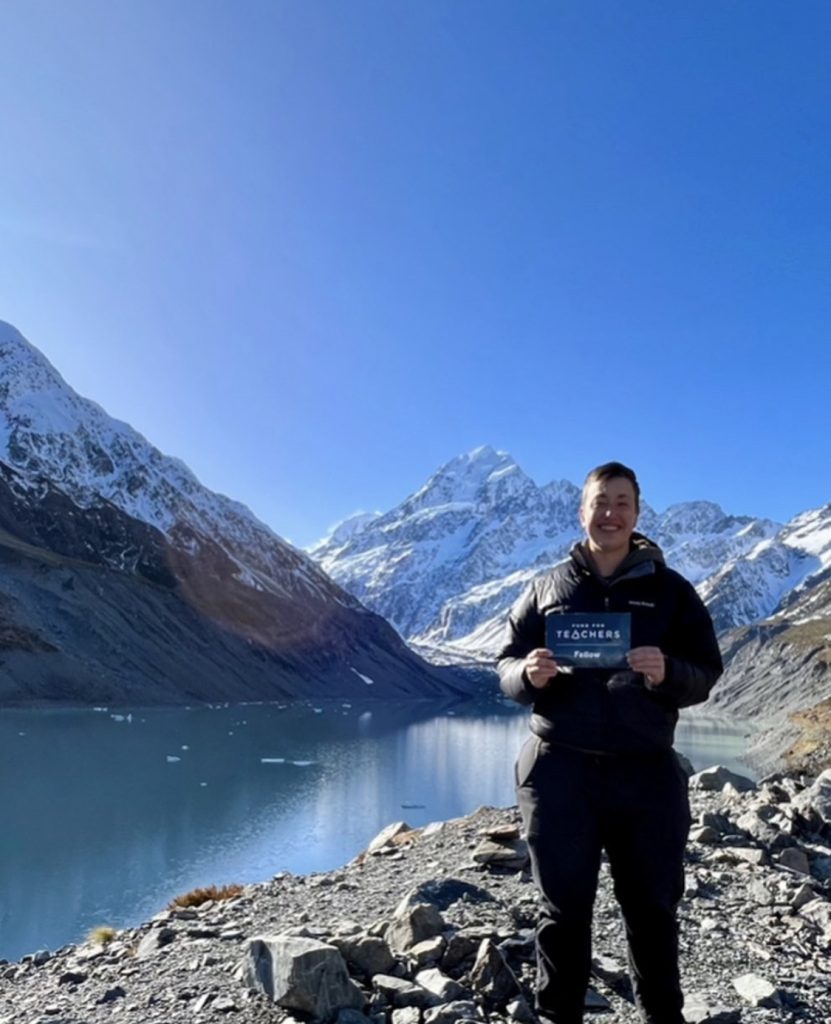
Maya used a 2023 Fund for Teachers grant to study New Zealand’s Māori language and cultural education model while investigating bi-cultural, place-based education in rural schools to incorporate findings into culturally relevant and place-based practices that are responsive to and supportive of Indigenous students.