 Back to Blogs
From Garden to Globe: Exploring the Stories Behind Our Food
Dr. Elizabeth Tipton is the Agriculture Instructor and FFA Advisor at Daphne High School in Daphne, AL. Last summer, Elizabeth used a $5,000 Fund for Teachers grant to chronicle how commerce, culture, and agriculture intertwined along medieval trade routes, from Bergen to Barcelona, gathering insights to expand a global spice and chili pepper curriculum that connects history, horticulture, and human exchange.
“Students at our school represent a spectrum of abilities and cultural backgrounds,” said Elizabeth. “Many are hands-on learners who thrive through creativity, movement, and sensory engagement. They excel in greenhouse and garden environments where they can see the tangible results of their work. Yet their understanding of agriculture has largely been local. I wanted to learn how to guide them in seeing the interconnectedness of the world’s agricultural story, linking their gardens to centuries of global innovation and cultural exchange.”
“This summer’s journey through Europe, tracing the historical spice trade through Amsterdam, France, and Spain, provided an incredible opportunity to explore how plants have shaped civilizations through trade, medicine, agriculture, food, and cultural exchange. One of my biggest goals was to help students understand that plants are much more than agricultural commodities. They connect us to history, geography, science, culture, and human health.
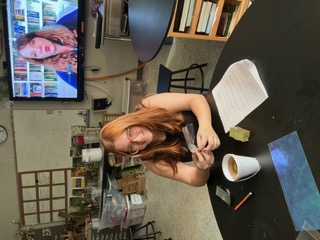
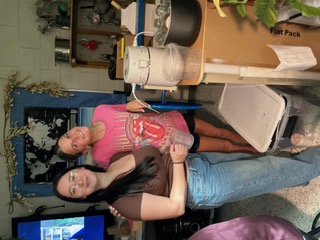
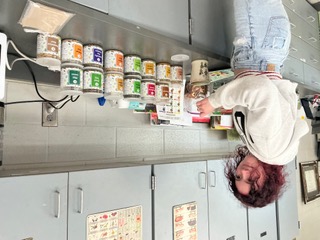
Since returning, we have expanded our classroom projects in several exciting directions:
- Chili Peppers and Cultural Connections: Students are growing an extensive collection of chili peppers while exploring their origins in the Americas, Indigenous cultivation practices, and spread through global trade. They examine how geography, climate, and cultural traditions have shaped pepper diversity and culinary uses around the world.
- Medicinal Plants and Ethnobotany: Students investigate the traditional uses of herbs and medicinal plants, particularly Indigenous North American species. Through creating herbal teas, hydrosols, infused oils, and salves, they explore plant chemistry and extraction methods while distinguishing traditional knowledge from scientifically established medical benefits.
- Native Plants and Indigenous Knowledge: Students are creating Native Plants of Daphne High School, a research-based book documenting campus species, their ecological benefits, and traditional Indigenous uses. Through plant identification, propagation, and landscape projects, they are also learning the importance of preserving native habitats and recognizing Indigenous knowledge as a living cultural tradition.
- From Garden to Table: Students transform plants grown through our agricultural program into pepper sauces, herbal jellies, teas, and dried herbs. These hands-on projects connect plant chemistry and food preservation with culinary history, Indigenous foodways, and the global exchange of agricultural traditions.
Thanksgiving provides a particularly meaningful opportunity to bring these themes together. Much of what we recognize as traditional American Thanksgiving food has roots in Indigenous agricultural knowledge and the plants native to the Americas. Long before European contact, Indigenous communities developed sophisticated systems of cultivation, food preservation, seed selection, and sustainable land management.
We are using this season to focus on the plants, agricultural practices, and ecological knowledge of Indigenous peoples, particularly those of the southeastern United States. Students are exploring the historical and continuing significance of native plants as sources of nourishment, medicine, and cultural identity. Our discussions also examine how Indigenous crops such as corn, beans, squash, and chili peppers transformed cuisines and agricultural systems around the world.
This creates an especially interesting connection to my European fellowship. While we traced the movement of spices and agricultural commodities along European trade routes this summer, our classroom studies now examine the other side of that exchange: the Indigenous peoples who cultivated, selected, and preserved many of the plants that eventually traveled across the globe. We are discussing not only the exchange of plants but also the consequences of colonization and the importance of recognizing the origins of agricultural knowledge.
I want students to understand that the history of the spice trade is also a history of people, ecosystems, and cultural knowledge. A chili pepper, a native medicinal plant, or an herb in a Thanksgiving recipe can tell an extraordinary story about human relationships with the natural world.
What has been most rewarding is seeing students begin to recognize these connections themselves. They are discovering that plants growing just outside our classroom have histories and uses extending back generations, while plants in our greenhouse connect Alabama to cultures and agricultural traditions around the world.”