So That Others May Learn

Last summer with a Fund for Teaches grant, Dr. Shelina Warren and four peers from Dunbar High School in Washington DC embarked on a journey across five states in the Deep South to more effectively teach complex and accurate historical narratives about race, civil rights, and the African American experience. In advance of Martin Luther King Day, we reached out to Shelina to learn more about their experiences and how students are learning differently as a result… 

You saw/experienced/internalized so much history on your fellowship. Is there one moment that stands out above the others? 

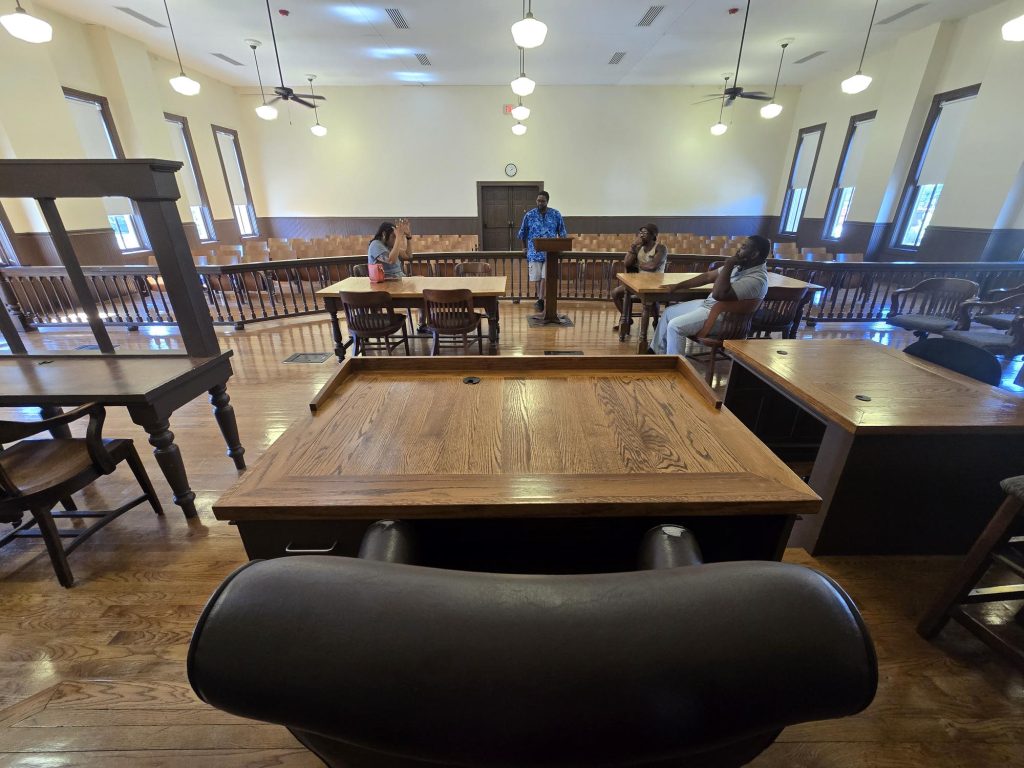
One of the most profound moments of the fellowship was standing inside the National Civil Rights Museum in Memphis, at the exact site where Dr. Martin Luther King, Jr. gave his life. The emotional weight of being in that space was unexpectedly similar to what I felt days later in Mississippi—standing in the courthouse where Emmett Till’s killers were acquitted and near the river where his body was found. 

In both places, I felt the same question pressing in on me: 
How do we teach students not only what happened, but how people responded—and what those responses demand of us today? 

That question is at the heart of what I was trying to solve through writing and receiving this fellowship. 

And what were you trying to solve? 

Before the fellowship, my students could name incidents of racial violence—Martin Luther King, Jr., George Floyd, Breonna Taylor—but they struggled to articulate: 

  • How people responded in those moments; 
  • Why those responses mattered; and, 
  • What choices they themselves are inheriting today 

A pre-survey I administered at the start of my Emmett Till unit confirmed this gap: 

  • While students expressed strong emotional reactions to racial violence, many lacked confidence in explaining historical responses beyond protests or anger. 
  • More than 80% of students indicated that primary sources, real locations, and personal narratives helped them understand people’s choices more than textbooks alone. 
  • Nearly all students said they believe their responsibility today is to speak up when we see injustice, but many were unsure how to do so meaningfully. 

The fellowship helped me realize that place-based learning—standing where history happened—is essential to bridging that gap. 

How is your fellowship’s place-based learning informing students in the various classes you teach? 

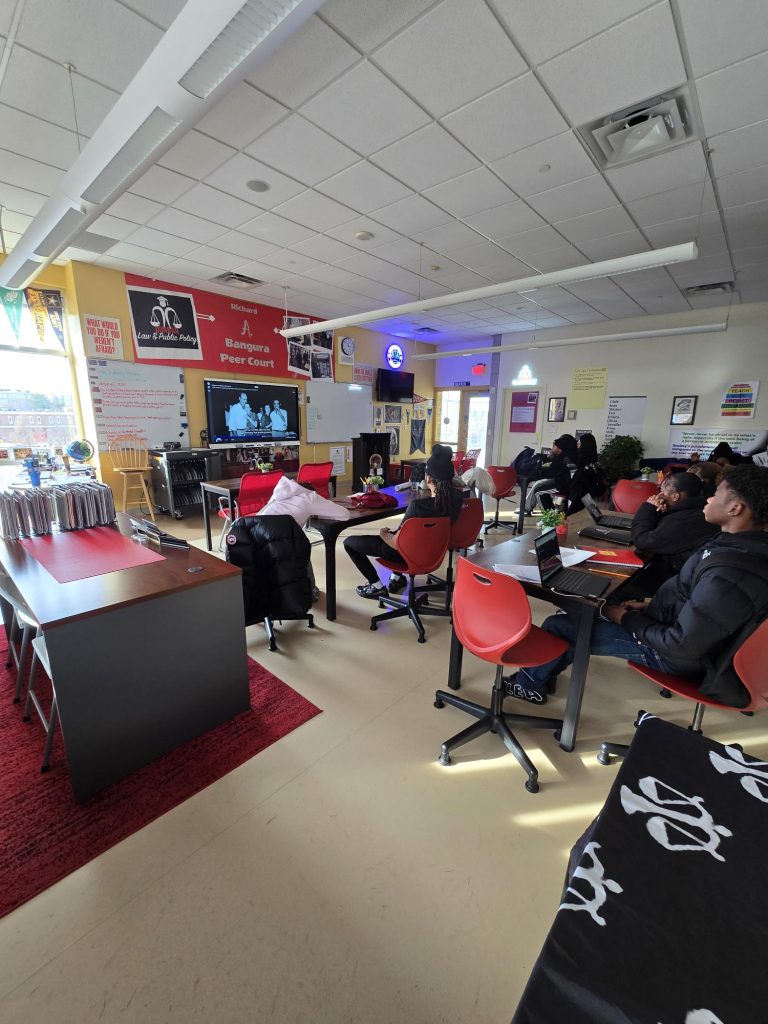
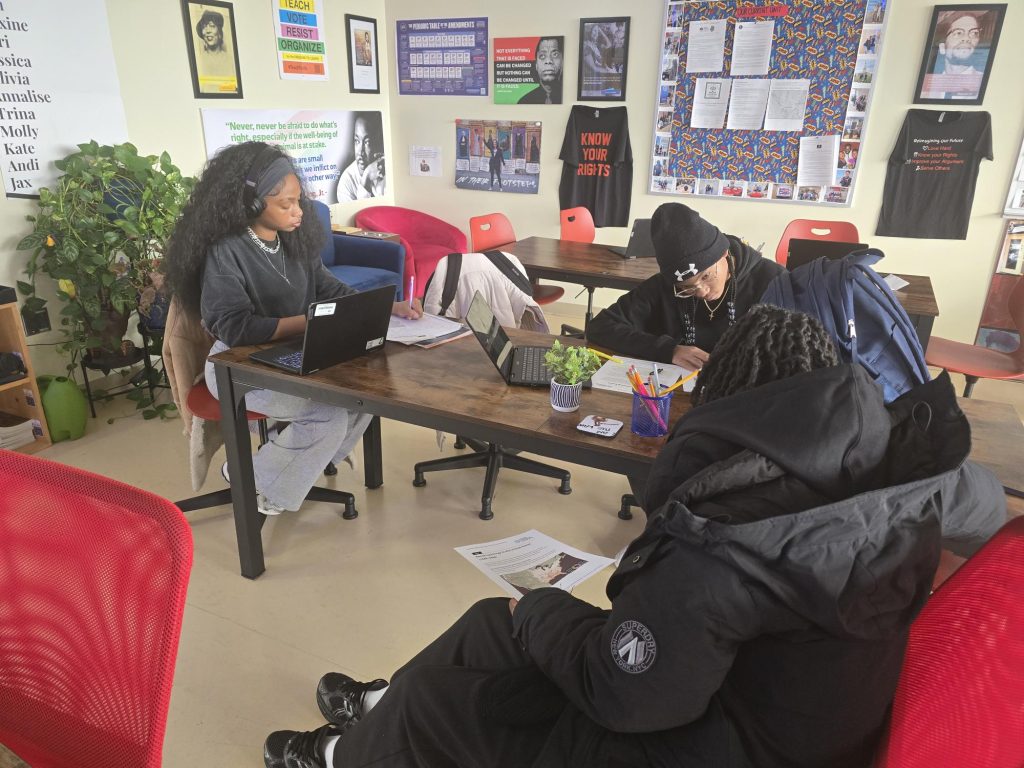
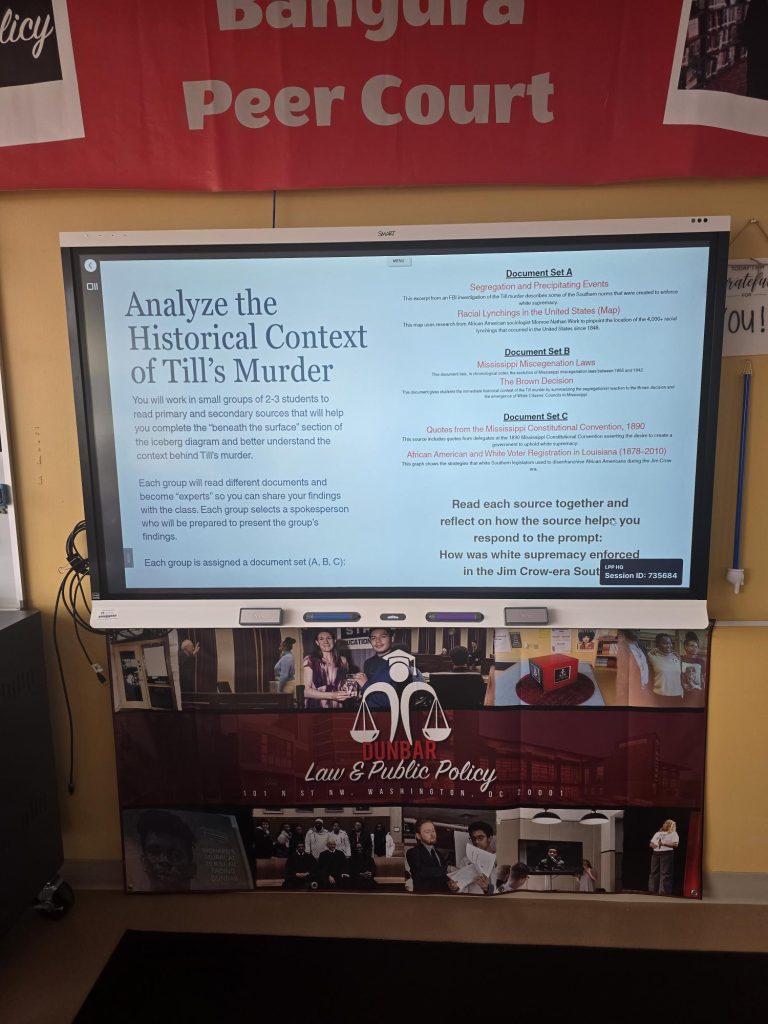
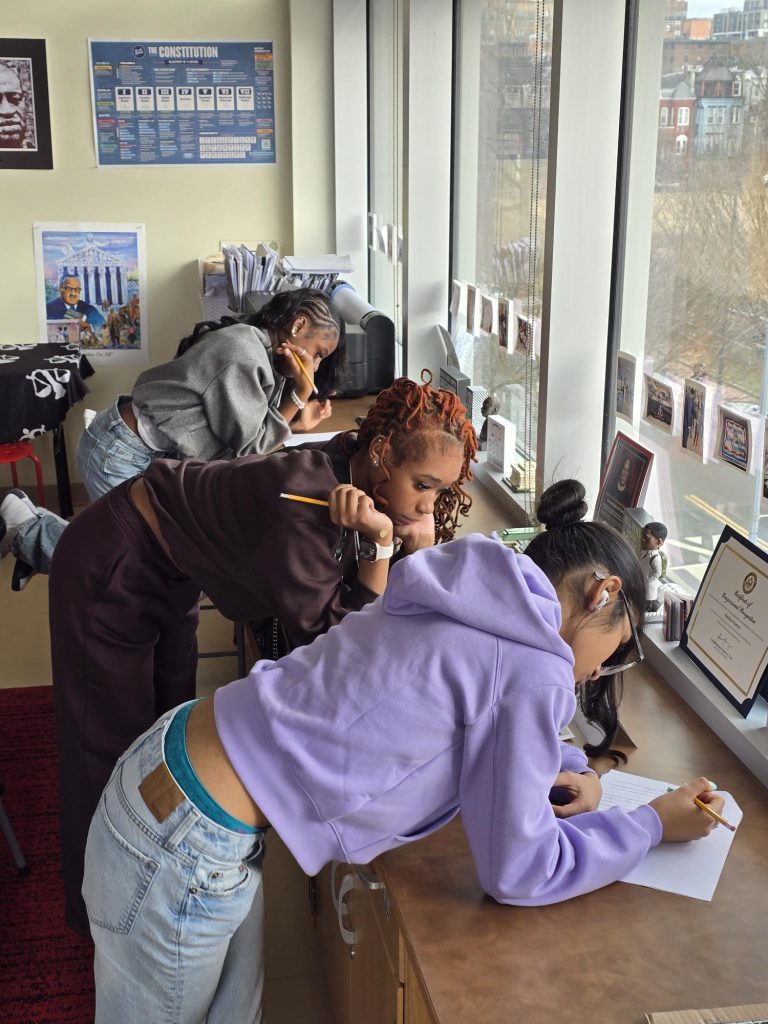
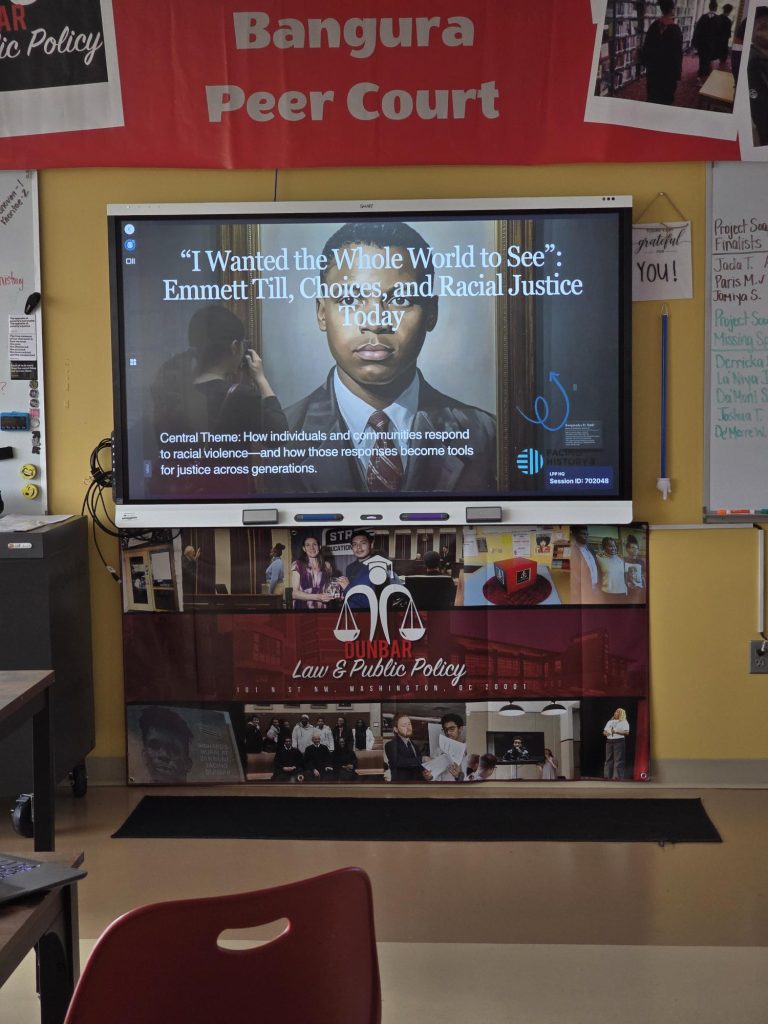
I am currently teaching a mini-unit on Emmett Till grounded directly in the fellowship experience, which specifically features high school curriculum activities and resources I received from the Emmett Till Interpretive Center and Facing History & Ourselves. Students are engaging with: 

  • Photos and videos I captured at the Emmett Till Interpretive Center, courthouse, barn, and river as primary sources; 
  • Comparative inquiry connecting Emmett Till’s murder to Dr. King’s assassination and contemporary racial violence; and, 
  • Structured discussions centered on the essential question: 
    As we pursue racial justice today, what can be learned from the choices people have made in response to racial violence in the past? 

“Seeing the real places where Emmett Till’s story happened made it feel real in a way textbooks never did. It made me think about what I would have done then—and what I should do now.” — Dunbar High School Law & Public Policy student 

Alongside this unit, I am developing: 

  • A student-created video project modeled after the National Civil Rights Museum introductory film, highlighting the legacy of our Law & Public Policy Academy 
  • Podcast episodes that weave together fellowship sites, including an on-location sound bite recorded outside Dooky Chase’s Restaurant—a historic civil rights strategy space 
  • A classroom Matter of Law panel series inspired by the Mississippi Civil Rights Museum, where students examine court cases and consider legal vs. moral justice 

With two decades of teaching and a Ph.D. in Urban Leadership, is there anything new that you learned on this fellowship? 

Visiting Dr. King’s childhood home, final resting place, and the King Center in Atlanta helped me more fully understand the arc of his life—not just his death. Seeing where he was raised, where his ideas were nurtured, and where his legacy is preserved allowed me to teach him not only as a martyr, but as a strategist, organizer, and human being. 

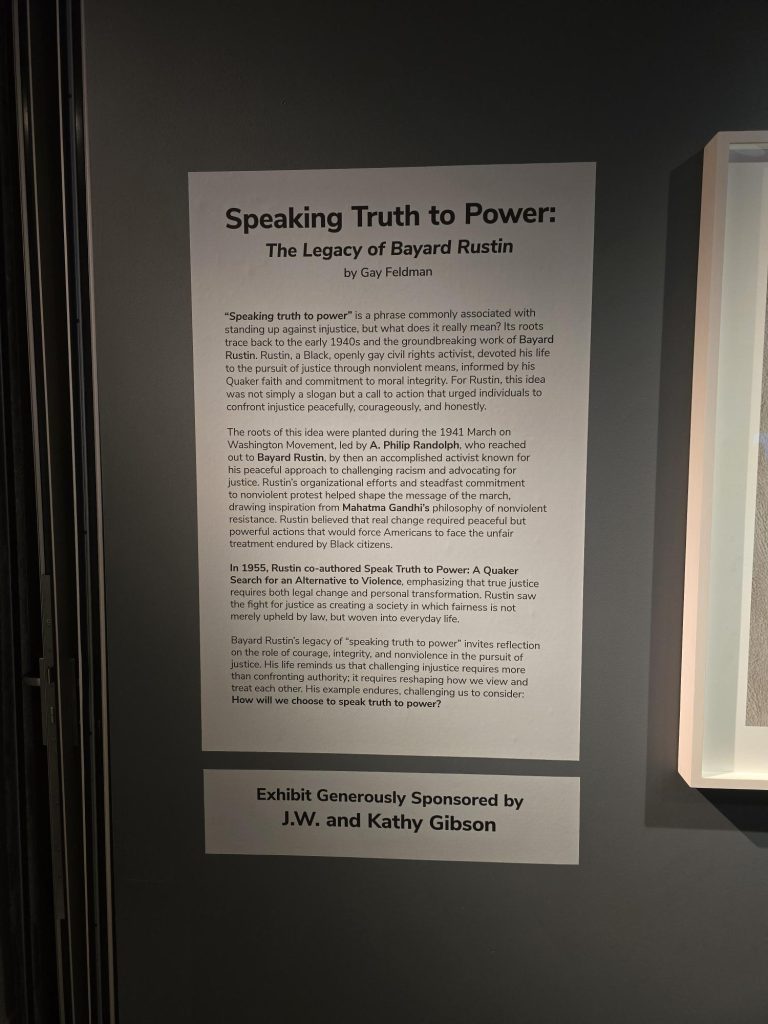
At the National Civil Rights Museum, I also learned the origins of the phrase Speaking Truth to Power through Bayard Rustin’s work. That learning reshaped how I frame activism for students—helping them see that justice requires both legal change and personal transformation

One quote from Studio BE in New Orleans captured this tension perfectly: 
“How do you look terror in the face and still muster the courage to love?” 

That question now anchors my classroom. Love, I tell my students, is not passive—it is a deliberate act of resistance, one Dr. King embodied fully. 

I’m extending our fellowship’s beyond my students and me through: 

  • Podcast episodes shared with families and the community 
  • Ongoing conversations with colleagues about replicating place-based learning locally 
  • An upcoming Humanities Circle presentation where I will share my Emmett Till unit and fellowship-based strategies 

The recent CBS Sunday Morning update about preserving the Emmett Till barn—and Shonda Rhimes’ continued support—only reaffirmed why access to these sites matters. Memory is fragile. Place helps protect it. 

At the heart of this fellowship is the belief that guides my work: So that others may learn. This experience strengthened my commitment to teaching truthfully, lovingly, and courageously, and to helping students understand that their responses to injustice matter. 

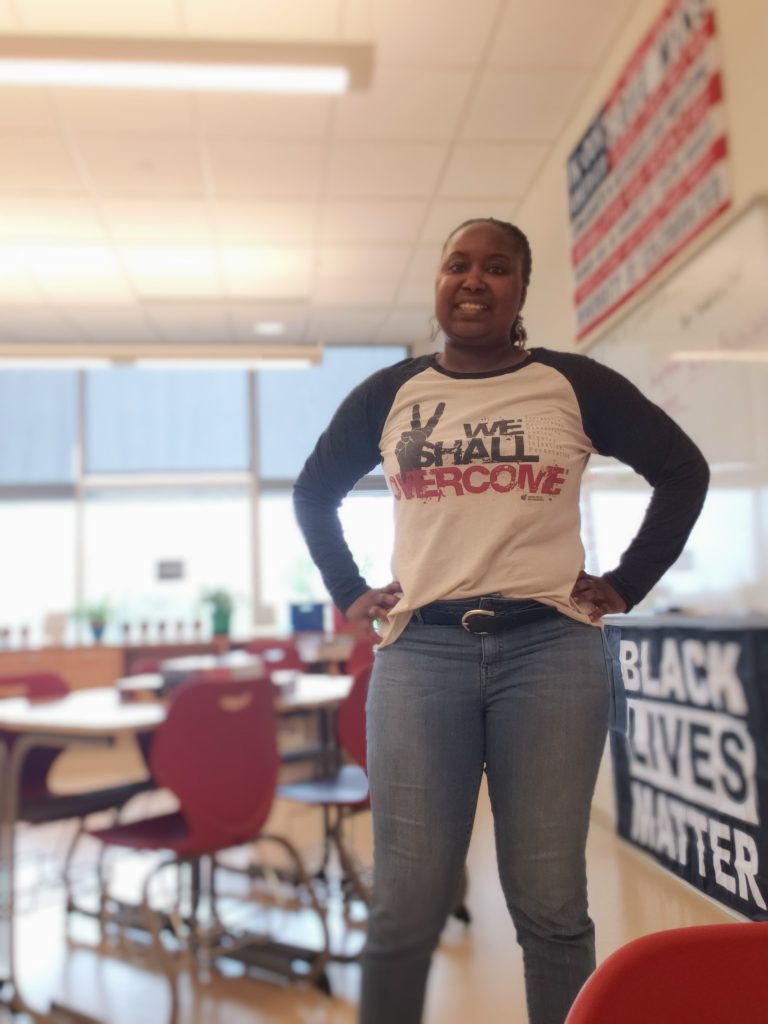
Dr. Shelina Warren is the Law and Public Policy Academy director at Paul Laurence Dunbar High School in Washington, DC, where she teaches multiple courses, including Constitutional Law and Youth Justice. She is an Arkansas native, Army veteran, and National Board Certified social studies teacher/leader, finishing her 22nd year in education. She has a doctorate in Urban Leadership from Johns Hopkins University, which focused on civic empowerment for African American students. 

Looking Back to Move Forward

Students of Washington D.C.’s Dunbar High School walk in the footsteps of trailblazers such as the first Black graduate of the U.S. Naval Academy, the first Black U.S. Senator elected by a popular vote, and the head academic researcher on Brown v. The Board of Education. Established in 1870 as the Preparatory High School for Colored Youth and eponymously named in 1916 for the celebrated poet, Paul Laurence Dunbar, the school remains the first and oldest public high school for Black students.

Considering this distinctive history, school officials chose to center student learning around Sankofa, a principle derived from the Akan people of Ghana signifying the primacy of remembering the past to make positive progress in the future. And these students’ future is informed by four teachers who joined together to craft a Fund for Teachers fellowship researching the African American experience across five states in the Deep South.

“Collectively, based on student townhalls, class discussions, and private conversations with students, our students seem disconnected from society in that they feel that, as teenagers, they can’t make a difference in society or that their voice doesn’t matter, which directly connects to our school’s values of activism and pride,” wrote team leader Dr. Shelina Warren in her grant proposal. “More importantly, our students’ lack of historical context helps play a considerable role in this disconnect, as they see the Civil Rights Movement of the 1960s as a study of long-ago history, distancing the powerful movement from contemporary struggles. Sadly, many of our African American students, as well as our ELL students, do not know much about African American history.”

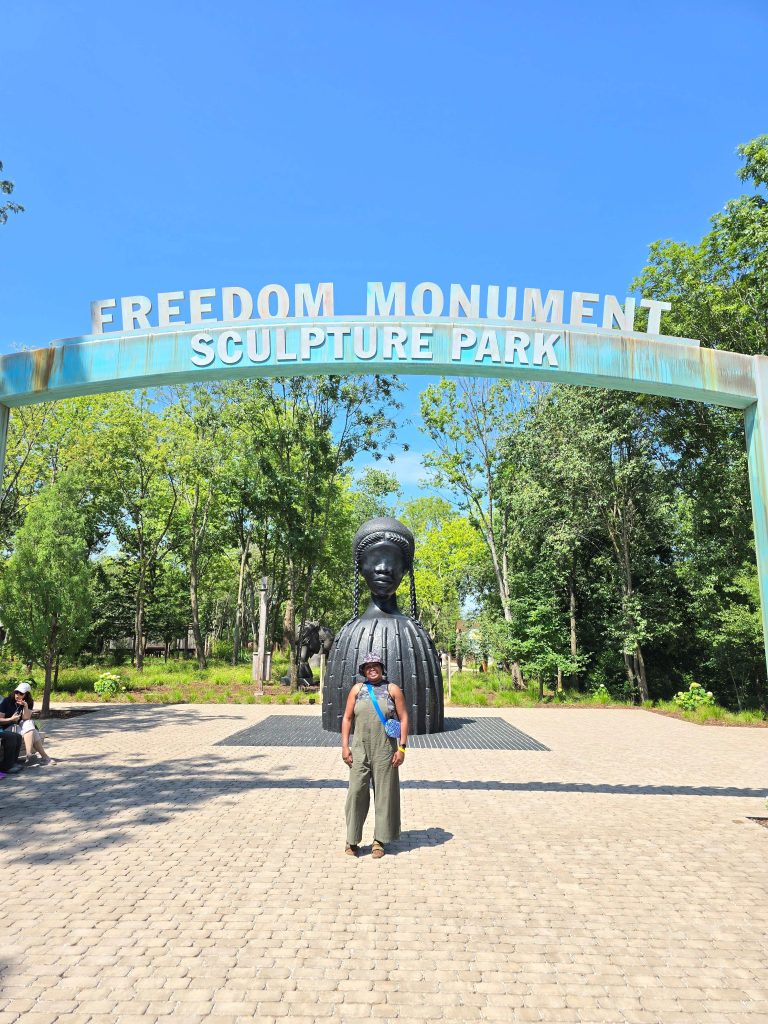
The team’s itinerary included stops at historically-relevant sites, such as the home of Medgar Evers, the National Center for Civil & Human Rights in Atlanta, and 16th Street Baptist Church in Birmingham. Less prominent locations holding equal significance were the Emmett Till Interpretive Center in the Mississippi Delta, the Freedom Monument Sculpture Park in Montgomery and TEP Center in New Orleans’ Lower Ninth Ward where they met Dr. Leona Tate, who – with two other six-year-old girls – integrated their elementary school an hour before Ruby Bridges did the same across town.

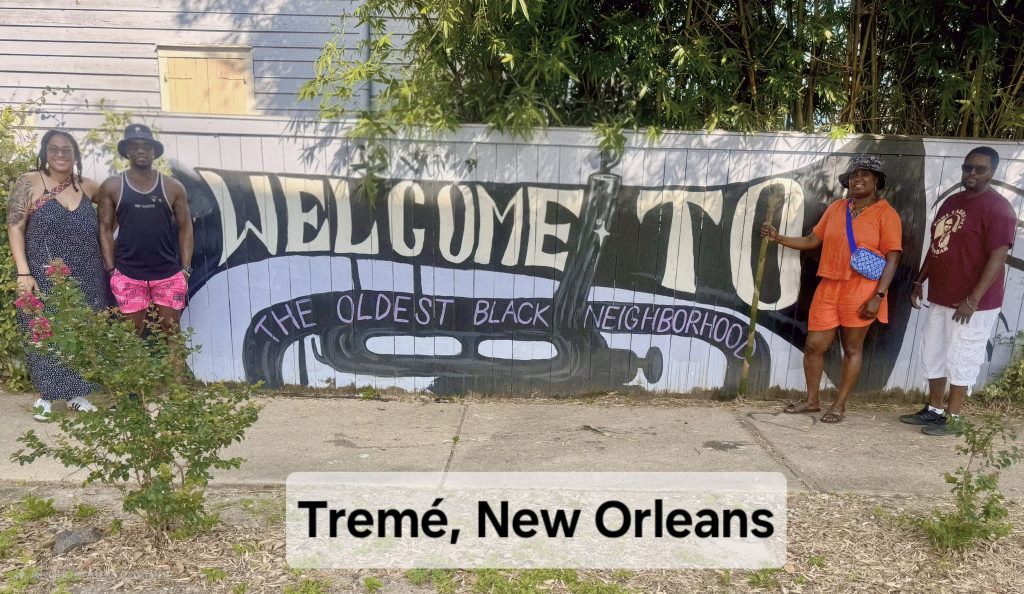
Their fellowship ran the gamut of emotions, from experiencing the story of slavery at the Whitney Plantation outside of New Orleans to later that day taking a walking tour of Tremé within the city. “Teachers from the first Black high school in the Unites States exploring the first Black neighborhood in the United States – so powerful!” said Dr. Warren.

“Experiential learning opportunities such as those provided by the Fund for Teachers fellowship are so beneficial for students,” said DCPS Chancellor, Dr. Lewis D. Ferebee. “We’re proud of how Dr. Warren and her social studies team at Dunbar make connections for students with a real-life history lesson—imparting knowledge through tours of renowned civil rights landmarks across the South.”

Two quotes seemed to epitomize this fellowship for the team: One explained in a museum and another found in a contemporary painting hanging in a gallery.

“I’ve always used the phrase ‘Speaking Truth to Power.’ but I never knew where it came from until visiting the Civil Rights Museum in Memphis,” said Dr. Warren. “They had an exhibit there on the originator of this phrase, Bayard Rustin, who used these words to explain that justice requires both legal change and personal transformation.”

The second quote, painted on the side of an art studio in New Orleans, captured how Dr. Warren plans to use new insights and experiences going forward in the classroom.

“’How do you look terror in the face and still muster the courage to love’ was a quote featured on a piece of art in a New Orleans’ gallery. It resonated with me because it shows that resistance is a form of power, and love is a tool used by activists before me to fight terror. In my way, I responded to this quote by writing this grant, exposing my students to educational opportunities, and being a lifelong learner. My motto is ‘so that others may learn,’ which shows my passion for education & love for my people.”

Dr. Shelina Warren served as the team leader for this fellowship, alongside Akinyele Emory, Adrienne Glasgow and Jermaine Robinson. She is the Law and Public Policy Academy director at Paul Laurence Dunbar High School, where she teaches courses including Constitutional Law and Youth Justice. She is an Arkansas native, Army veteran, and national board-certified social studies teacher/leader, finishing her 21st year in education. Shelina earned an undergraduate degree in Social Science Education, two Masters degrees, an additional certification and, most recently, a doctorate in Urban Educational Leadership from Johns Hopkins University, which focused on civic empowerment for African American students.

Experiencing History to Expand Knowledge

Three years ago, Ariana Sanders (Cincinnati) used a $5,000 Fund for Teachers grant to participate in the Witness Tree Institute’s immersive educator experience in Ghana, where she explored the impact of colonization, as well as how Africans protect their natural resources. Her goal was to inform the development of learning objectives and course modules for Ethnic Studies to be offered not just at her school, Wyoming High School, but to ALL of Ohio’s high school teachers. 

“I cannot count the ways in which this fellowship was an influential time for me,” said Ariana. “It felt like an inspired experience literally from the second the plane landed — I felt more connected to my roots as a biracial person. The Witness Tree Program really allowed me to go into areas where it is NOT touristy, talk to many professors, participate in cultural activities (food, dancing, games, etc.) It is hard to put into words what that means or how much I see that impacting my soft skills — understanding others, appreciating differences…we all clearly need more of that!” 

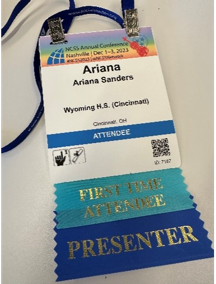
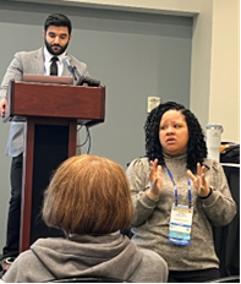
Caption: Standing in Slave River, where captured men, women and children slaves bathed for the last time before they went to the auction; Ariana’s conference nametag and presentation session.

That connection and cultural immersion informed learning standards and curriculum for a new official course offering in the Ohio Social Studies program called Religion, Gender, and Ethnic Studies, which Ariana presented at the National Council of Social Studies’ national conference. 

Additionally, Ariana sits on the advisory board for Boston University’s Teaching Africa Teacher (TAT) Certificate Program, which supports pre-service and in-service K-12 teachers and higher education instructors interested in engaging with Africa in their classrooms. As part of this opportunity, Ariana crafted an additional curriculum titled W.E.B. DuBois & Ghana: As told through 3 primary sources – which you can access here. 

“I’ve kept up with colleagues from my fellowship in Ghana, so those relationships, as well as peers through the TAT board, give me a space to advance higher education African studies and be in touch with people who are also working to ensure Africa is represented in more social studies classes. I feel like I am the biggest cheerleader for Fund for Teachers.” 

W.E.B. DuBois said, “It is the trained, living human soul, cultivated and strengthened by long study and thought, that breathes the real breath of life into boys and girls and makes them human, whether they be black or white, Greek, Russian or American.” He would be proud of the impact Ariana is making, as are we.